
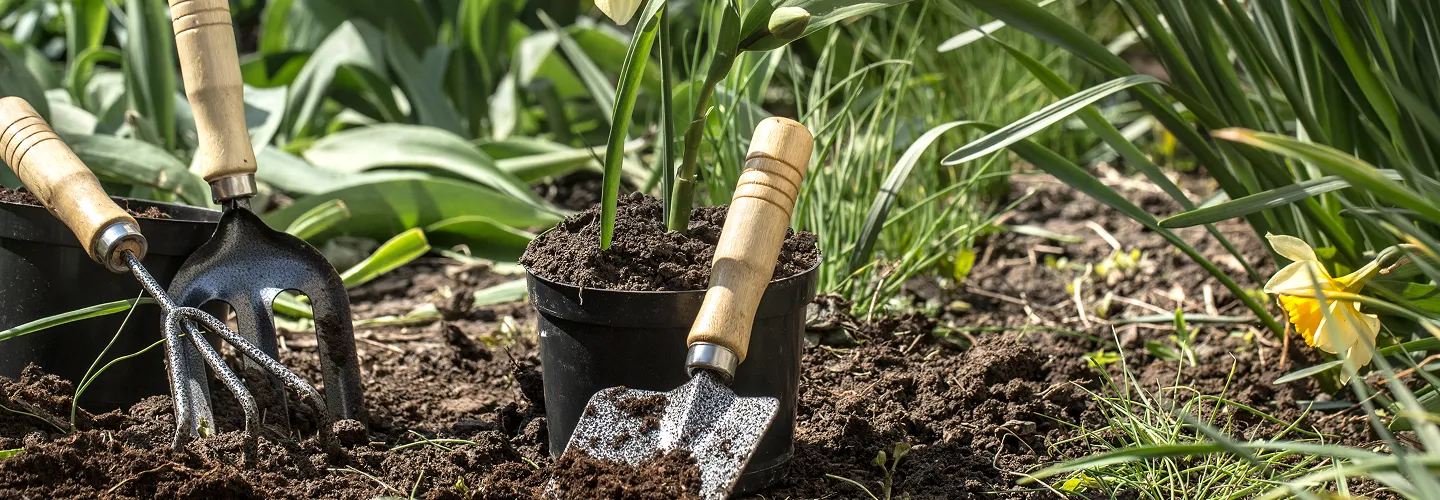
Scituate Green Waste Disposal Services
Choose our Green Waste Disposal for reliable, environmentally responsible service that keeps your property clean and supports a healthier community.
Get a Free QuoteOur Scituate Landscaping & Yard Care Services
When to Schedule Green Waste Disposal in Scituate, Rhode Island – Seasonal Guide
In Scituate, Rhode Island, the best times to schedule green waste disposal are closely tied to our unique seasonal changes and local landscape features. Spring and late fall are typically optimal, as these periods align with major yard cleanups following winter storms or in preparation for the growing season. The climate in Scituate, with its late spring frosts and humid summers, means that timing your disposal around these weather patterns can help maintain a healthy, attractive property. Neighborhoods near Chopmist Hill and the Hope Village area often experience heavy leaf and branch accumulation due to mature tree coverage, making timely disposal especially important.
Local environmental factors such as soil type—ranging from sandy loam near the Scituate Reservoir to denser clay in the Clayville area—can affect how quickly organic debris breaks down. Additionally, municipal guidelines and seasonal restrictions, which can be found on the Town of Sudbury’s website, may influence when and how you can dispose of green waste. Being aware of these local nuances ensures your property remains tidy and compliant throughout the year.
Local Factors to Consider for Green Waste Disposal in Scituate
- Tree density and types (e.g., oaks and maples in North Scituate)
- Terrain and slope, especially in hilly areas like Chopmist Hill
- Average precipitation and risk of drought during summer months
- Frost dates, which impact spring and fall cleanup timing
- Shade coverage affecting debris accumulation
- Municipal restrictions and scheduled pickup dates
- Soil type influencing decomposition rates
Benefits of Green Waste Disposal in Scituate

Eco-Friendly Landscaping Solutions
Efficient Green Waste Removal
Promotes Healthy Lawns and Gardens
Reduces Landfill Waste
Supports Local Sustainability
Convenient Scheduling Options

Scituate Green Waste Disposal Types

Grass Clippings
-
Leaves and Yard Debris
-
Tree Branches and Limbs
-
Shrub and Hedge Trimmings
-
Garden Plant Waste
-
Weeds and Invasive Plants
-
Mulch and Wood Chips
Our Green Waste Disposal Process
Collection of Green Waste
Sorting and Separation
Transport to Disposal Facility
Eco-Friendly Processing
Why Choose Scituate Landscape Services
-
Scituate Homeowners Trust Us
-
Expert Lawn Maintenance
-
Reliable Seasonal Cleanups
-
Efficient Irrigation Solutions
-
Competitive Pricing
-
Professional Team
-
Satisfaction Guarantee
Scituate’s Weekly Green Waste Collection: Schedules, Accepted Materials, and Compliance
Green waste disposal in Scituate is managed through a municipal curbside collection program, with weekly pickups scheduled every Thursday from April through November. Residents must use biodegradable paper bags or rigid reusable containers (32-gallon maximum) for leaves, grass clippings, and brush under 4 feet in length. Plastic bags and branches over 4 inches in diameter are strictly prohibited. To ensure compliance with local ordinances, all materials must be placed curbside by 7:00 AM on collection day. The Department of Public Works enforces these requirements and may issue citations for improper disposal or non-compliant containers. For large volumes or off-schedule disposal, residents may utilize the town’s designated drop-off site during posted hours. Collection schedules and program updates are published on the municipal website.
Scituate RI Department of Public Works
195 Danielson Pike, North Scituate, RI 02857
Phone: (401) 647-3366
Official Website: Scituate RI Department of Public Works
Soil and Drainage Considerations for Green Waste in Scituate’s Glacial Till Landscapes
Scituate’s predominant soils, as identified by the USDA Web Soil Survey, are Inceptisols and Udults formed from glacial till, characterized by moderate to poor drainage and a pH range of 5.5 to 6.5. These conditions can lead to seasonal waterlogging, especially in low-lying areas, making proper green waste management essential to prevent nutrient runoff and soil compaction. Residents are advised to avoid placing green waste piles directly on saturated ground or within 25 feet of wetlands, in accordance with local buffer regulations. Composting on-site should incorporate 2-3 inches of organic matter tilled to a 6-inch depth to improve soil structure. Soil testing is available through the University of Rhode Island Cooperative Extension for a typical fee of $15-25, providing guidance on amendments and pH adjustment.
Environmental Compliance: Wetland Buffers, Stormwater, and State Regulations in Scituate
Green waste disposal in Scituate is governed by both local and state environmental regulations. The Rhode Island Environmental Rights Act and the town’s MS4 permit under the Clean Water Act prohibit dumping yard debris in storm drains, streams, or within 25 feet of wetlands. Residents must maintain a no-disturbance buffer from all mapped wetlands and water bodies, as enforced by the Scituate Land Trust & Conservation Commission. Violations may result in fines or remediation orders. The Rhode Island Department of Environmental Management provides additional guidance on organic waste management and stormwater best practices. For questions about buffer zones or protected areas, contact the local conservation commission.
Scituate RI Land Trust & Conservation Commission
195 Danielson Pike, North Scituate, RI 02857
Phone: (401) 647-2822
Official Website: Scituate RI Land Trust & Conservation Commission
Equipment Operation Hours and Safety Standards for Green Waste Handling in Scituate
Operation of power equipment for green waste management in Scituate is regulated by municipal noise ordinances. Permitted hours are:
- Monday-Friday: 7:00 AM - 7:00 PM
- Saturday: 8:00 AM - 6:00 PM
- Sunday and holidays: Prohibited
All commercial and residential operators must use equipment with functioning mufflers, maintaining noise levels below 85 decibels at property lines. Personal protective equipment (PPE) is required, including:
- Eye protection: ANSI Z87.1 safety glasses
- Hearing protection: Earmuffs or plugs for 85+ dB
- Footwear: Steel-toed, non-slip boots
- Gloves: Cut-resistant for pruning, chemical-resistant for applications
The Scituate RI Town Ordinances detail enforcement procedures and penalties for violations. For additional safety guidance, consult the Department of Public Works.
What Neighborhoods Do We Serve Throughout Scituate, RI?
- Hope Village: Features mature tree canopies and historic properties, requiring careful brush management and compliance with buffer zones near the Pawtuxet River.
- Clayville: Known for its compacted soils and proximity to wetlands, necessitating strict adherence to wetland buffer regulations and careful placement of green waste.
- North Scituate: Contains a mix of residential and agricultural parcels, with larger lot sizes and increased brush volume during seasonal cleanups.
- Rockland: Characterized by sloped terrain and rocky soils, presenting challenges for equipment access and requiring erosion control during debris removal.
- Elmdale: Includes newer developments with HOA guidelines on container types and collection schedules, as well as stormwater management requirements.
- Moswansicut: Borders the Scituate Reservoir and conservation lands, where strict enforcement of no-disturbance zones and organic waste restrictions is in effect.
- South Scituate: Features floodplain areas and narrow roadways, impacting collection logistics and necessitating early curbside placement for efficient pickup.
Seasonal Timing and Weather Considerations for Green Waste Disposal in Scituate
Scituate’s USDA Hardiness Zone 6b-7a climate, with average last frost in late April and first frost in late October, shapes the optimal timing for green waste disposal. Peak collection periods occur in:
- Spring: April 15 - May 30 (post-winter cleanup)
- Fall: October 1 - November 30 (leaf drop)
Avoid placing green waste curbside during heavy rain events, as saturated soils and runoff can transport debris into storm drains. The National Weather Service Boston/Norton office provides local forecasts to assist with scheduling. For best results, schedule major yard cleanups during dry weather windows and avoid disposal during the summer heat stress period (June-August). Composting is most effective when daytime temperatures exceed 55°F, promoting rapid decomposition and minimizing odor concerns.